Identity Theft: How Immigrants Can Protect and Recover Their Identity
How identity theft happens, why immigrants are targeted, credit freezes, fraud alerts, IRS Identity Protection PINs, protecting immigration documents and recovery steps.
 Tradiciones del Mundo
Immigrants start businesses at high rates, but financing has become harder. Since March 2026, SBA-backed loans are limited to businesses fully owned by US citizens or nationals.
Key points
Immigrants found a large share of new US businesses, from neighborhood restaurants to technology companies. Access to capital is one of the biggest obstacles, especially without US credit history. In 2025 and 2026 the Small Business Administration (SBA) repeatedly tightened eligibility for non-citizens, which removed a key source of affordable loans. This guide explains the current landscape and the realistic alternatives.
Remember that immigration status also controls whether you can work in your own business. See self-employment and LLCs before starting.
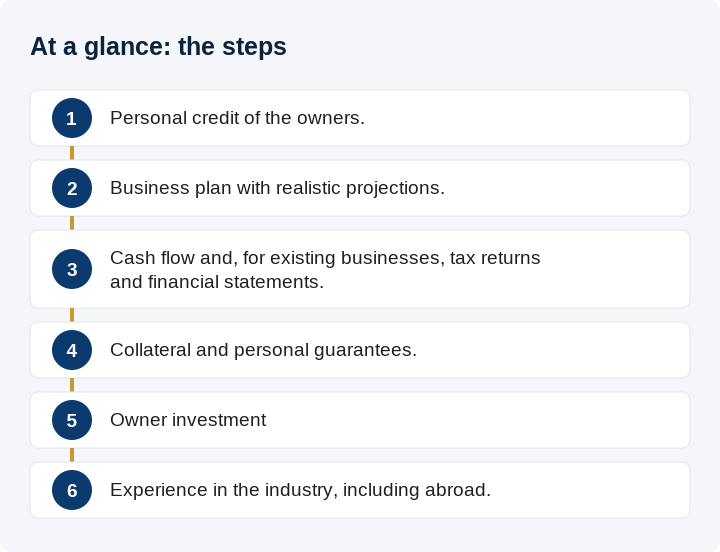
Lenders finance plans they understand. A clear business plan, clean books and a track record matter as much as status.
| Date | Change |
|---|---|
| March 2025 | SBA policy updated to apply citizenship-related executive orders to 7(a) and 504 loans |
| June 2025 | SOP 50 10 8: businesses must be 100% owned by US citizens, nationals or permanent residents |
| December 2025 | A narrow exception for up to 5% foreign or non-resident ownership |
| 1 March 2026 | Exception rescinded; only businesses 100% owned by US citizens or nationals are eligible, and the policy was extended to other SBA-guaranteed programs |
Existing SBA borrowers were reported as unaffected. Rules may change again; check the current SBA Standard Operating Procedure before applying.
Merchant cash advances and some online "fast business loans" charge very high effective rates through fees and daily repayments. Read the total cost and compare the annual percentage rate before signing. Avoid using high-interest personal credit cards to fund a business long term.
A hypothetical permanent resident from Colombia wants $60,000 to open a bakery in 2026. She is no longer eligible for an SBA-guaranteed loan. She prepares a business plan with a local Small Business Development Center, saves $20,000 of her own capital, and applies to a CDFI that lends to immigrant-owned businesses. The CDFI approves a $40,000 loan secured by the equipment, with business coaching. After two years of on-time payments and growing sales, a credit union offers her a line of credit.
Small Business Development Centers help write plans for free in most areas.
Some cities, foundations and corporations run grant programs or pitch competitions for small businesses, including immigrant-owned ones. Grants are competitive and usually small, but they do not need repayment. Beware of websites that charge fees to "guarantee" grants; legitimate programs do not.
Whatever the source, borrow only what the business can repay from realistic cash flow, and keep a reserve for slow months.
Keep in touch with your lender after the loan as well: sharing results early builds the relationship you will need for the next round of financing.
Good records make every future application much easier.
SBA-funded counseling through Small Business Development Centers, SCORE and Women's Business Centers offers free advice; eligibility rules for these services may differ from loan rules.
Under the 2026 rules, all owners must be US citizens or nationals.
Some CDFIs and microlenders lend to ITIN holders.
Disclaimer. This article is general education, not financial, investment, tax or insurance advice, and it does not recommend any specific product or provider. Prices, rates, limits and rules change; check official sources such as irs.gov, consumerfinance.gov and investor.gov, and consider a licensed professional for decisions about your own money.
How identity theft happens, why immigrants are targeted, credit freezes, fraud alerts, IRS Identity Protection PINs, protecting immigration documents and recovery steps.
How immigrants qualify for Social Security retirement: work credits, full retirement age, totalization agreements, receiving benefits abroad and the rules for non-citizens.
How newcomers open a US bank account with a passport, SSN or ITIN, how deposit insurance works, and how to build a credit score from zero in the first year.