Estate Planning for Immigrants: Wills, Guardians and Cross-Border Assets
Why immigrants need a will, naming guardians for children, beneficiary designations, estate and gift tax rules for non-citizen spouses, and assets in two countries.
 Tradiciones del Mundo
Many immigrant families see property as the safest investment, often because that is how wealth was built at home. US real estate can work, but it is a business with specific rules and risks.
Key points
Owning property is one of the oldest ways to build wealth, and in the US it is open to citizens, residents and foreigners alike. Rental properties can provide steady income, but they concentrate a large amount of money in one asset, require management and carry legal responsibilities. This guide explains the main ways to invest, the numbers to check and the tax rules that apply.
It is general education, not investment advice.
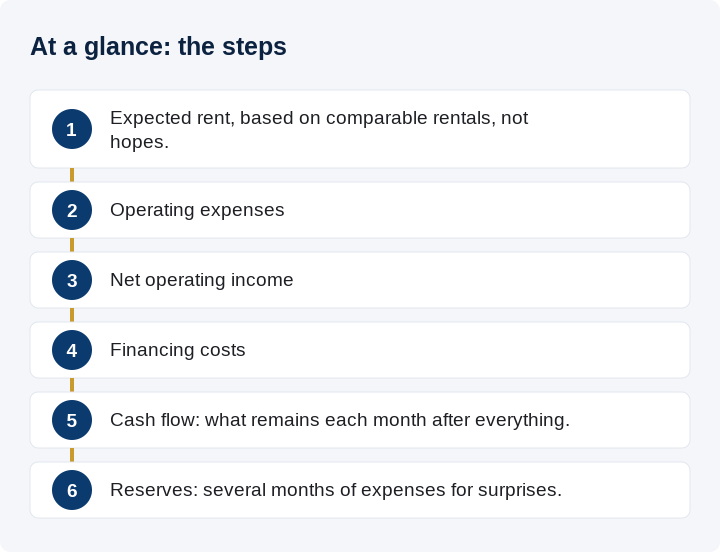
A rental property is a small business. Treat the numbers, the contracts and the tenants with the seriousness of any business.
| Option | Involvement | Main risks |
|---|---|---|
| Single-family rental | High: tenants, repairs, rules | Vacancy, repairs, concentration in one property |
| Small multifamily (2–4 units) | High; can live in one unit | Same, plus more tenant management |
| REITs and real estate funds | Low: bought like stocks | Market swings; sensitive to interest rates |
| Real estate crowdfunding and private funds | Low, but limited liquidity | Sponsor risk, fees, long lock-ups |
| Short-term rentals | Very high | Local bans and regulations, seasonality |
Under the Foreign Investment in Real Property Tax Act, when a foreign person sells US real estate, the buyer generally must withhold 15% of the gross sale price and send it to the IRS, with exceptions and reduced rates for certain residential sales. Nonresident owners of rentals must also file US tax returns and can elect to be taxed on net income. Green card holders and other US tax residents are not "foreign persons" for FIRPTA.
Owning property is not employment, but actively running a property business can be. Visa holders whose status limits work, such as H-1B holders, can usually own rentals as passive investments but should be careful about managing many properties themselves. Real estate investment alone does not qualify for EB-5. See EB-5.
A hypothetical couple with green cards buys a duplex for $400,000 with 25% down, living in one unit and renting the other for $2,000 a month. After taxes, insurance, repairs and the mortgage share for the rented unit, the rental covers most of their housing cost. They set aside a reserve for repairs and vacancies, report the rental on Schedule E and depreciate the rented portion of the building.
A property manager handles advertising, screening, rent collection, repairs and legal notices, typically for a percentage of monthly rent plus leasing fees. For owners with full-time jobs, owners living far away, and visa holders who must keep their involvement passive, a manager can be worth the cost. Interview several, ask for references and a sample management agreement, check licensing where required, and understand how they handle repairs and evictions before signing.
Publicly traded REITs must distribute most of their taxable income to shareholders, so they often pay higher dividends than other stocks; those dividends are generally taxed as ordinary income. Non-traded REITs are sold privately, can carry high fees and be hard to sell; regulators have warned investors to read their terms carefully.
Review each property's results once a year against your original plan.
Real estate rewards patience and careful records.
Yes, foreigners can buy US property, though financing is harder and nonresident tax rules apply.
They provide diversified exposure with daily liquidity, but prices fluctuate like stocks.
Some investors use LLCs for liability reasons; mortgage and insurance implications should be checked first.
Disclaimer. This article is general education, not financial, investment, tax or insurance advice, and it does not recommend any specific product or provider. Prices, rates, limits and rules change; check official sources such as irs.gov, consumerfinance.gov and investor.gov, and consider a licensed professional for decisions about your own money.

Why immigrants need a will, naming guardians for children, beneficiary designations, estate and gift tax rules for non-citizen spouses, and assets in two countries.

What immigrants should know about cryptocurrency: volatility, regulation, stablecoins and the GENIUS Act, using crypto for remittances, common scams and IRS reporting rules.
How immigrants and visa holders can start investing in the US: opening a brokerage account, index funds and ETFs, fees, investor protection and capital gains tax.