Bonds and US Treasuries Explained: T-Bills, Notes, TIPS and I Bonds
How bonds work, the types of US Treasury securities, TIPS and I bonds, buying through TreasuryDirect or a broker, interest rate risk and taxes for immigrants.
 Tradiciones del Mundo
The choice between trying to beat the market and simply owning it is one of the most important decisions an investor makes. The evidence is clearer than most marketing suggests.
Key points
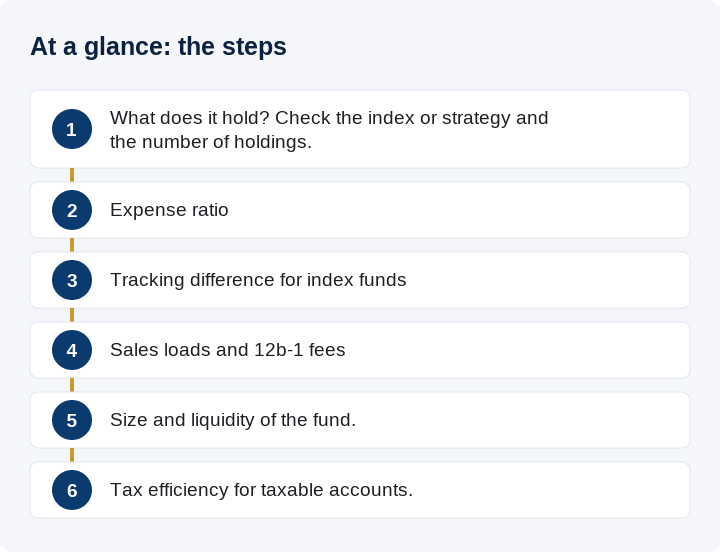
When you invest through a 401(k), IRA or brokerage account, you will choose among hundreds of funds. Some aim to match the market, others to beat it. This guide explains the difference, what long-term data shows, and how to read the numbers that matter: costs, diversification and tax efficiency.
You cannot control what the market does. You can control what you pay to own it.
| Index fund | Active fund | |
|---|---|---|
| Goal | Match an index | Beat an index |
| Holdings | All or a sample of the index | Chosen by managers |
| Typical costs | Very low expense ratios | Higher expense ratios, trading costs |
| Turnover | Low | Often higher, which can increase taxes in taxable accounts |
| Results | Index return minus small costs | Can beat or lag; consistency is rare |
S&P Dow Jones Indices publishes SPIVA scorecards comparing active funds with their benchmarks. Year after year, these reports find that a large majority of active US equity funds underperform their benchmarks over long periods such as 10 and 15 years, after fees. Funds that outperform in one period rarely keep doing so. This does not mean no manager ever adds value, but identifying them in advance is very hard.
Consider $10,000 invested for 30 years with a 6% gross annual return. With a 0.05% expense ratio, it grows to roughly $56,600. With a 1% expense ratio, it grows to roughly $43,200. The difference, more than $13,000, goes to fees rather than the investor. These figures illustrate the arithmetic, not a forecast.
Many investors use a few broad index funds: a total US stock market fund, an international stock fund and a bond fund, in proportions that match their time horizon. Target-date funds combine these automatically and become more conservative over time.
A hypothetical worker reviews her 401(k) options. Her plan offers an active large-company fund with a 0.85% expense ratio and an S&P 500 index fund at 0.04%. Both hold similar companies. She chooses the index fund and a low-cost international index fund, and saves the difference in fees every year for decades.
The fund's prospectus contains the official details and all fees; summaries are available on the fund company's website and on FINRA's fund analyzer.
Some investors prefer active managers in less efficient markets, for specific goals such as income, or for values-based strategies. If you choose active funds, look for low fees, experienced managers, a clear strategy and long-term results compared with the right benchmark.
A hypothetical worker contributes $6,000 a year for 25 years. Assuming a 6% return before fees, choosing funds averaging 0.10% instead of 0.90% in annual costs leaves tens of thousands of dollars more in the account at retirement. The exact amount depends on returns, but the direction is certain: lower costs leave more for the investor.
Review your plan's fund list once a year, since employers sometimes add cheaper options.
In taxable accounts, index funds and ETFs tend to distribute fewer capital gains than active mutual funds because they trade less. Holding less tax-efficient funds inside IRAs or 401(k)s, where gains are not taxed each year, can reduce your tax bill.
Whichever funds you choose, write down why you chose them. A short written plan helps you stay the course when markets fall and headlines tempt you to switch.
They are diversified but still fall when the market falls. They remove the risk of picking the wrong stocks, not market risk.
Yes, international and global index funds exist; remember US tax rules if you buy foreign-domiciled funds. See PFIC rules.
Some investors combine a low-cost core of index funds with a small portion in active funds they believe in.
Disclaimer. This article is general education, not financial, investment, tax or insurance advice, and it does not recommend any specific product or provider. Prices, rates, limits and rules change; check official sources such as irs.gov, consumerfinance.gov and investor.gov, and consider a licensed professional for decisions about your own money.
How bonds work, the types of US Treasury securities, TIPS and I bonds, buying through TreasuryDirect or a broker, interest rate risk and taxes for immigrants.
How immigrants invest in US real estate: buying rental property, landlord duties, financing, REITs, taxes and depreciation, FIRPTA for foreign sellers and common risks.
Why immigrants need a will, naming guardians for children, beneficiary designations, estate and gift tax rules for non-citizen spouses, and assets in two countries.